

Honey Face Mask: Benefits, Raw Honey, Manuka Honey, and How to Make One
A honey face mask is one of the simplest DIY skincare ideas. Honey has been used in traditional skin care for a long time, and its naturally thick texture makes it easy to apply as a short-contact face mask.
But not every honey face mask recipe you see online is automatically suitable for every skin type.
Some people apply plain honey for a few minutes and rinse it off, while others mix honey with ingredients such as yogurt or oatmeal. The best approach depends on your skin type and how sensitive your skin is.
Honey can help the skin feel soft and comfortable, but it should not be treated as a miracle solution for every skin concern. A DIY mask cannot replace medical treatment for conditions such as severe acne, eczema, rosacea, or persistent rashes.
This guide explains the potential benefits of a honey face mask, the difference between raw and Manuka honey, how to make a face mask with honey, and how to use it safely.
What Is a Honey Face Mask?
A honey face mask is a skincare treatment in which honey is applied to clean skin for a short period before being rinsed away.
The simplest version contains only one ingredient: honey.
Because honey is naturally thick and sticky, it can remain on the skin without requiring additional thickeners.
A basic honey face mask routine can be as simple as:
- Cleanse your face.
- Apply a thin layer of honey.
- Leave it on for a short period.
- Rinse gently with lukewarm water.
- Apply moisturizer.
Keeping the recipe simple is often a better choice for sensitive skin because adding many ingredients increases the chance of irritation.
Honey Face Mask Benefits for Skin
Honey is widely used in skincare because it has properties that can support the skin’s comfort and moisture.
The possible benefits of a honey face mask include:
- Helping the skin feel soft
- Supporting moisture retention
- Providing a soothing skincare experience
- Temporarily improving the appearance of dry skin
- Supporting a smoother-looking skin surface
However, the results can vary from person to person.
A honey mask is most useful as a simple skincare treatment rather than a replacement for a complete daily skincare routine.
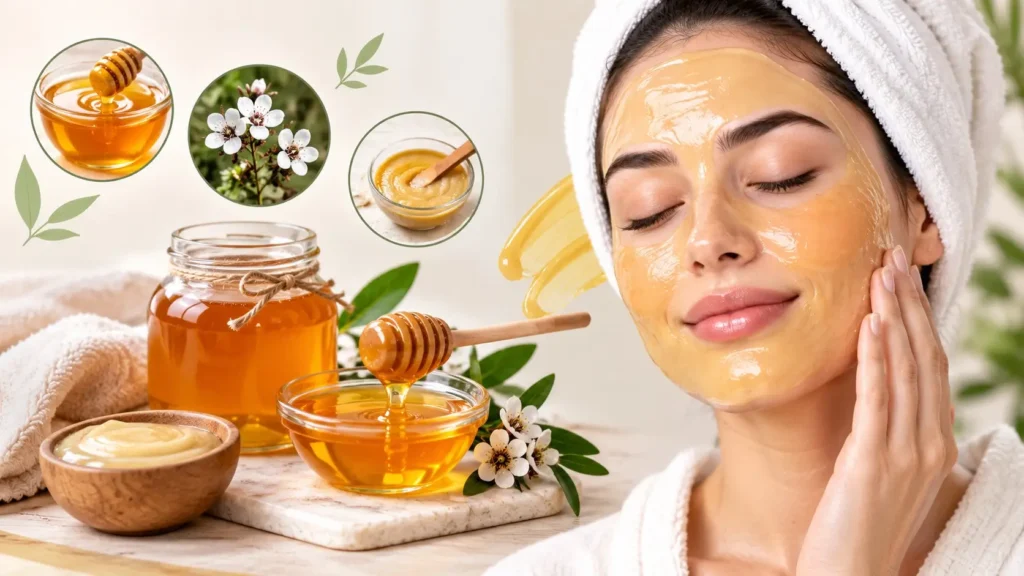
Can a Honey Face Mask Moisturize Dry Skin?
Honey is often described as a humectant because it can attract and retain moisture.
When used in a face mask, it may leave the skin feeling softer and less dry temporarily.
However, rinsing off honey also means that the moisturizing effect should be followed with a suitable moisturizer.
After using a honey face mask, apply a moisturizer that suits your skin type to help support the skin barrier.
If your skin is frequently dry or sensitive, you can also explore our gentle skincare routine for dry sensitive skin guide for a simple daily routine focused on skin comfort.
Raw Honey for Face Mask
Raw honey for face mask recipes are popular because raw honey is minimally processed compared with some commercially processed varieties.
Raw honey may retain more of its naturally occurring components, although this does not mean that every raw honey product is automatically better for facial skincare.
When choosing raw honey for your face, look for a product that is:
- Pure
- Free from added fragrance
- Free from unnecessary ingredients
- Stored properly
The most important consideration is how your own skin responds.
A person can still experience irritation or an allergic reaction to raw honey.
Before applying raw honey to your entire face, consider patch testing it on a small area first.

How to Use Raw Honey for a Face Mask
A simple raw honey face mask does not need additional ingredients.
Basic Raw Honey Face Mask
You will need:
- Pure raw honey
How to Apply
- Start with clean skin.
- Apply a thin, even layer of honey.
- Avoid getting it directly into your eyes.
- Leave it on for around 10 to 15 minutes.
- Rinse gently with lukewarm water.
- Pat your skin dry.
- Apply moisturizer.
Do not scrub aggressively when rinsing the mask off.
If your skin feels irritated, itchy, or uncomfortable, remove the mask immediately.

Manuka Honey Face Mask
A Manuka honey face mask is another popular option.
Manuka honey is produced from the nectar of the mānuka tree and is known for its distinctive composition.
In skincare discussions, Manuka honey is often promoted for its antibacterial and soothing properties.
However, using a Manuka honey face mask does not mean it will treat every skin condition.
A cosmetic honey mask may help the skin feel comfortable and moisturized, but persistent acne, infected skin, wounds, or inflammatory skin conditions should be evaluated by a healthcare professional.
For everyday skincare, Manuka honey can be used similarly to other honey masks.
Simple Manuka Honey Face Mask
- Cleanse your face.
- Apply a thin layer of pure Manuka honey.
- Leave it on for approximately 10 to 15 minutes.
- Rinse with lukewarm water.
- Follow with moisturizer.
Because Manuka honey can be expensive, using it as a face mask is a personal preference rather than a skincare requirement.
How to Make a Face Mask With Honey
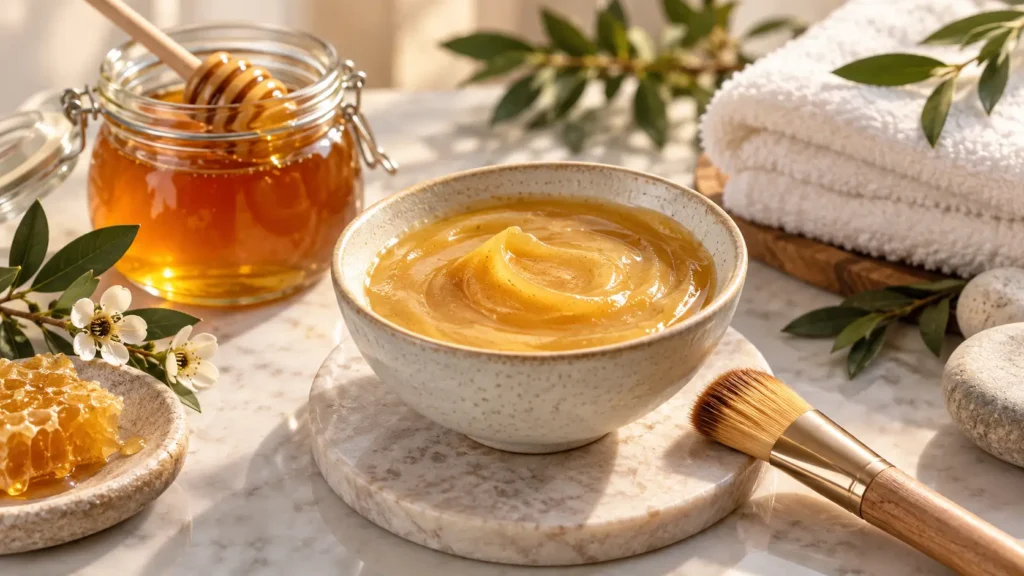
If you are wondering how to make a face mask with honey, start with the simplest possible recipe.
Plain honey is enough for a basic face mask.
Once you know that your skin tolerates honey, you may consider combining it with other gentle ingredients.
The key is to avoid DIY recipes that contain harsh or irritating ingredients.
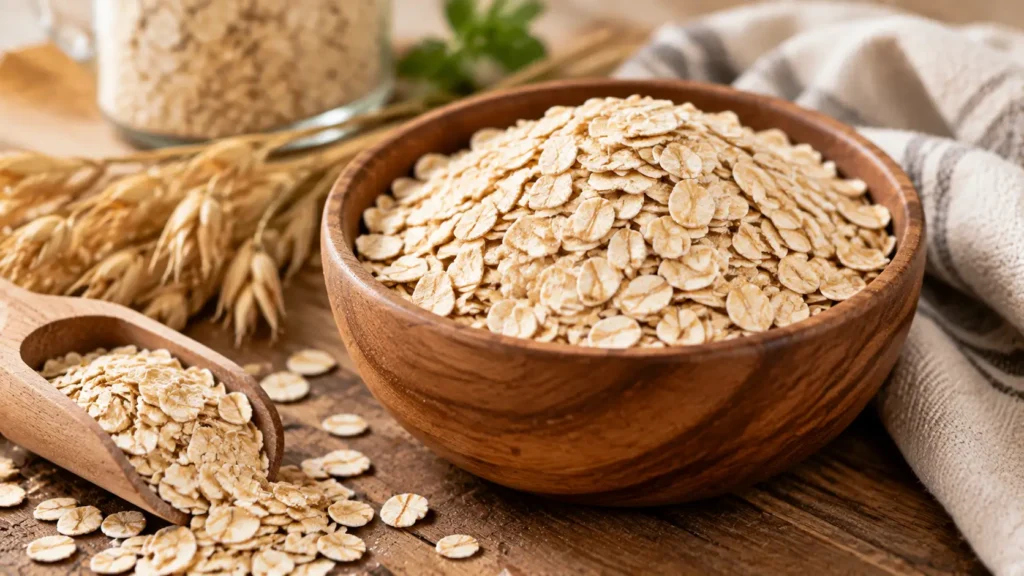
Honey and Oatmeal Face Mask
Oatmeal is often used in skincare because it can create a gentle, soothing texture.
For a simple mask, combine:
- 1 tablespoon finely ground oats
- 1 tablespoon honey
Apply a small amount to clean skin and leave it on briefly before rinsing.
Avoid harsh scrubbing.
Honey and Plain Yogurt Face Mask
Plain yogurt and honey are sometimes combined in DIY skincare recipes.
Use a small amount of plain, unsweetened yogurt mixed with honey.
However, sensitive skin can react differently to dairy-based products and other natural ingredients, so patch testing is still important.
Keep the mixture away from the eyes.
Simple Honey Mask Is Often Enough
You do not need to add several ingredients to make a honey face mask effective.
A simple formula makes it easier to understand how your skin responds.
If you experience irritation, you will also have fewer ingredients to identify as possible causes.
Can You Use a Honey Face Mask for Acne?
Honey is often discussed online as a natural acne treatment.
However, acne is a complex skin condition influenced by factors such as oil production, clogged pores, inflammation, and hormones.
A honey face mask may feel soothing, but it should not be considered a guaranteed acne treatment.
If you have occasional mild breakouts, you may choose to use honey as part of a gentle routine.
For persistent acne, severe breakouts, or acne that causes scarring, professional treatment may be more appropriate.
If post-acne marks and uneven-looking skin tone are your concern, you can also explore our azelaic acid for skin guide for an ingredient commonly used in routines focused on acne and visible pigmentation.
Is Honey Good for Sensitive Skin?
Some people with sensitive skin may tolerate plain honey well, while others may experience irritation or allergic reactions.
Natural ingredients are not automatically hypoallergenic.
Honey may not be suitable if you have an allergy to:
- Honey
- Bee products
- Certain pollens
Patch testing can help reduce the risk of applying a new ingredient to your entire face.
Apply a small amount to a limited area first and monitor for signs of irritation.
Do not use the mask if you experience noticeable itching, burning, swelling, or redness.
How Often Should You Use a Honey Face Mask?
For most people, a honey face mask does not need to be used every day.
Using it occasionally, such as once or twice per week, may be enough if your skin enjoys the treatment.
Your skin does not need a daily DIY mask to remain healthy.
A consistent routine with gentle cleansing, moisturizing, and sunscreen is more important for long-term skin care.
Honey Face Mask for Dry Skin
Dry skin may benefit from the temporary moisturizing feel of honey.
A simple routine could include:
- Gentle cleanser
- Honey face mask once or twice weekly
- Hydrating serum, if desired
- Moisturizer
Avoid adding strong exfoliating ingredients to your honey mask if your skin already feels dry or irritated.
For dry skin, a simple routine is often more comfortable than frequent DIY treatments.
Honey Face Mask for Oily Skin
People with oily skin can also use a honey face mask.
Honey itself is not automatically too heavy simply because it has a thick texture.
However, oily and acne-prone skin should avoid adding unnecessary heavy ingredients to DIY masks.
A simple honey-only mask may be easier to tolerate than complicated recipes containing multiple oils or rich ingredients.
Honey Face Mask for Glowing-Looking Skin
A honey face mask may temporarily make the skin look smoother and more hydrated.
This can create a fresh and healthy-looking appearance.
However, “glowing skin” depends on many factors, including:
- Skin hydration
- Moisture levels
- Skin texture
- Sun protection
- Overall skin health
A weekly face mask can be enjoyable, but it cannot replace daily skincare basics.
If your skin looks dull because it feels dehydrated, supporting your overall fluid intake may also be helpful. You can read our how to hydrate fast guide for simple information about maintaining hydration.
Honey Face Mask Before or After Shower?
Either option can work.
Some people prefer applying a honey mask after cleansing their face in the shower.
Others prefer using it separately so they can relax while the mask sits on the skin.
The important point is to apply the mask to clean skin.
Avoid applying honey over heavy makeup, sunscreen, or excessive oil buildup.
Should You Leave Honey on Your Face Overnight?
Leaving a honey face mask on overnight is generally unnecessary.
Honey is sticky and can transfer to your pillow, hair, and bedding.
A short-contact mask is usually easier and more practical.
Leaving a DIY ingredient on your face for longer does not automatically provide better results.
If your goal is overnight hydration, use a suitable leave-on moisturizer instead.
Can You Mix Lemon and Honey for a Face Mask?
Lemon and honey face masks are popular online, but applying lemon juice directly to the face can irritate the skin.
Citrus ingredients may increase the risk of skin irritation and can be problematic when followed by sun exposure.
For this reason, it is safer to avoid adding lemon juice to a DIY honey face mask.
You do not need acidic kitchen ingredients to create a simple skincare treatment.
Plain honey is a gentler choice.
Can You Mix Baking Soda With Honey?
Baking soda is another ingredient sometimes included in DIY face mask recipes.
However, baking soda can disrupt the skin’s natural balance and may cause irritation.
It is better to avoid adding baking soda to a facial mask.
A simple honey mask is less complicated and reduces unnecessary irritation risks.
Common Mistakes When Using a Honey Face Mask
Using Too Many Ingredients
Adding many kitchen ingredients can increase the risk of irritation.
Keep your mask simple.
Scrubbing Aggressively
Honey can be sticky, but there is no need to scrub your face to remove it.
Use lukewarm water and gentle movements.
Using Honey on Broken or Infected Skin
A cosmetic DIY mask is not a substitute for medical treatment.
Seek professional advice for infected skin or persistent wounds.
Ignoring an Allergic Reaction
Stop using the mask if you experience itching, burning, swelling, or significant redness.
Expecting Honey to Treat Every Skin Concern
Honey can be part of a skincare routine, but it cannot replace proven treatments for persistent acne, severe pigmentation, or inflammatory skin conditions.
A Simple Honey Face Mask Routine
If you want to include a honey face mask in your skincare routine, keep the rest of your routine simple.
Face Mask Day
- Gentle cleanser
- Honey face mask
- Rinse gently
- Hydrating product, if needed
- Moisturizer
Regular Skincare Days
- Cleanser
- Treatment product, if appropriate
- Moisturizer
- Sunscreen during the day
You do not need to use a honey mask every time you cleanse your face.
Treat it as an occasional skincare step rather than an essential daily treatment.
How to Choose the Best Honey for a Face Mask
The best honey for a face mask depends partly on your personal preference.
Plain Pure Honey
A simple choice for people who want to try a basic DIY mask.
Raw Honey
Popular among people looking for minimally processed honey.
Manuka Honey
A premium option often chosen because of its unique composition and reputation in skincare.
No matter which type you choose, make sure the product is pure and suitable for your intended use.
More expensive does not automatically mean better results for your skin.
Final Thoughts
A honey face mask can be a simple addition to your skincare routine if your skin tolerates honey well.
Plain honey, raw honey, and Manuka honey can all be used in short-contact DIY masks, although there is no need to choose an expensive product simply because it is trending.
If you are new to DIY skincare, start with plain honey rather than mixing multiple ingredients together.
Apply it to clean skin, leave it on briefly, rinse gently, and follow with a suitable moisturizer.
Remember that natural ingredients can still cause allergic reactions or irritation. Patch testing is important, especially if you have sensitive skin or known allergies.
For healthy-looking skin over the long term, focus on the basics: gentle cleansing, moisturizing, daily sun protection, and choosing treatments based on your specific skin concerns.
A honey face mask can be an enjoyable extra step—but your everyday skincare routine is what provides the foundation.