

Natural Skincare Ingredients
Natural skincare ingredients can be a simple way to add plant-based oils, botanical extracts, soothing gels, and nourishing butters to a beauty routine. Ingredients such as aloe vera, jojoba oil, oatmeal, honey, green tea, and shea butter are commonly used in natural skincare because they can provide hydration, softness, or a soothing feel.
However, natural does not automatically mean safe for everyone. Essential oils, acidic ingredients, fragrances, and even familiar kitchen ingredients can irritate certain skin types. Choosing ingredients according to your skin’s needs and introducing them gradually is more useful than using a large number of products at once.
This guide explores popular natural skincare ingredients, their potential benefits, suitable skin types, practical uses, and important DIY skincare safety tips. The goal is to help you build a simple natural skin care routine without unnecessarily irritating your skin.
What Are Natural Skincare Ingredients?
Natural skincare ingredients are substances derived from plants, minerals, or other naturally occurring sources and used in cosmetic or personal-care formulations.
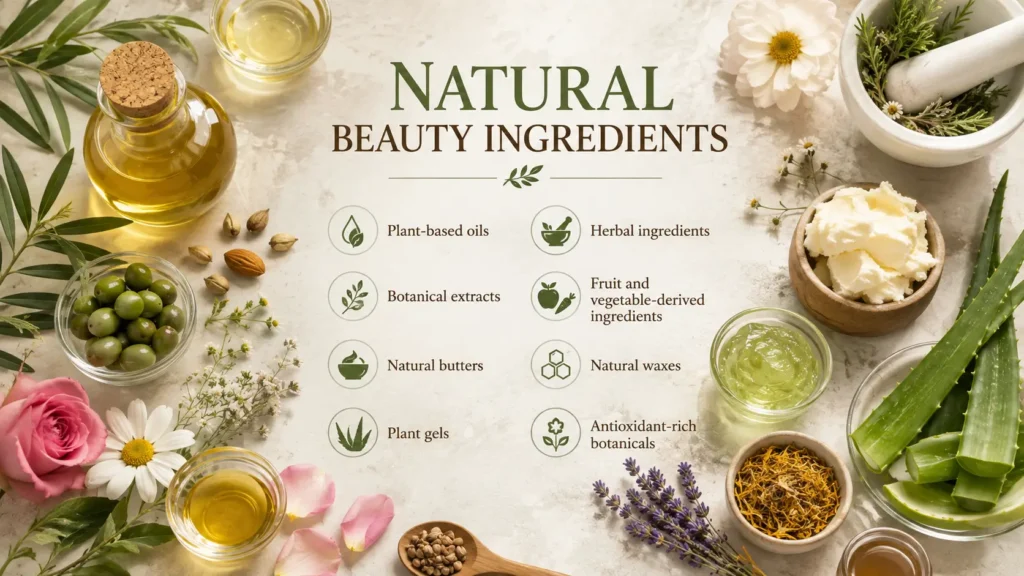
They can include:
- Plant-based oils
- Botanical extracts
- Natural butters
- Plant gels
- Herbal ingredients
- Fruit and vegetable-derived ingredients
- Natural waxes
- Antioxidant-rich botanicals
Some ingredients are used mainly for moisturizing, while others are selected for their soothing, cleansing, or antioxidant properties.
It’s also important to distinguish natural ingredients from organic skincare ingredients. “Natural” describes the source or origin of an ingredient, while “organic” generally refers to how agricultural ingredients are grown and processed according to specific standards. A product can therefore be natural without necessarily being certified organic.
Why Choose Natural Ingredients for Skincare?
Natural skincare can be appealing because it gives you the opportunity to understand exactly which ingredients you’re applying to your skin.
Simple Ingredient Choices
A minimalist routine may contain only a few carefully selected products instead of numerous overlapping treatments.
For example, someone with dry skin might focus on a gentle cleanser, a nourishing moisturizer, and a suitable facial oil rather than combining many active ingredients.
Plant-Based Skin Support
Many botanical ingredients contain naturally occurring compounds such as antioxidants, fatty acids, and polyphenols. Depending on the ingredient and formulation, these compounds can contribute to the moisturizing, conditioning, or soothing properties of a skincare product.
Customizable Skincare
DIY skincare can be adapted to different preferences and skin needs. A hydrating mask might use ingredients such as oatmeal and honey, while a simple facial oil may combine jojoba or argan oil with a suitable moisturizer.
Customization, however, should not mean combining dozens of ingredients. A simpler formula is often easier to evaluate if your skin reacts.
Best Natural Skincare Ingredients
There are many natural ingredients used in beauty products, but some are particularly popular because of their moisturizing, soothing, or antioxidant properties.
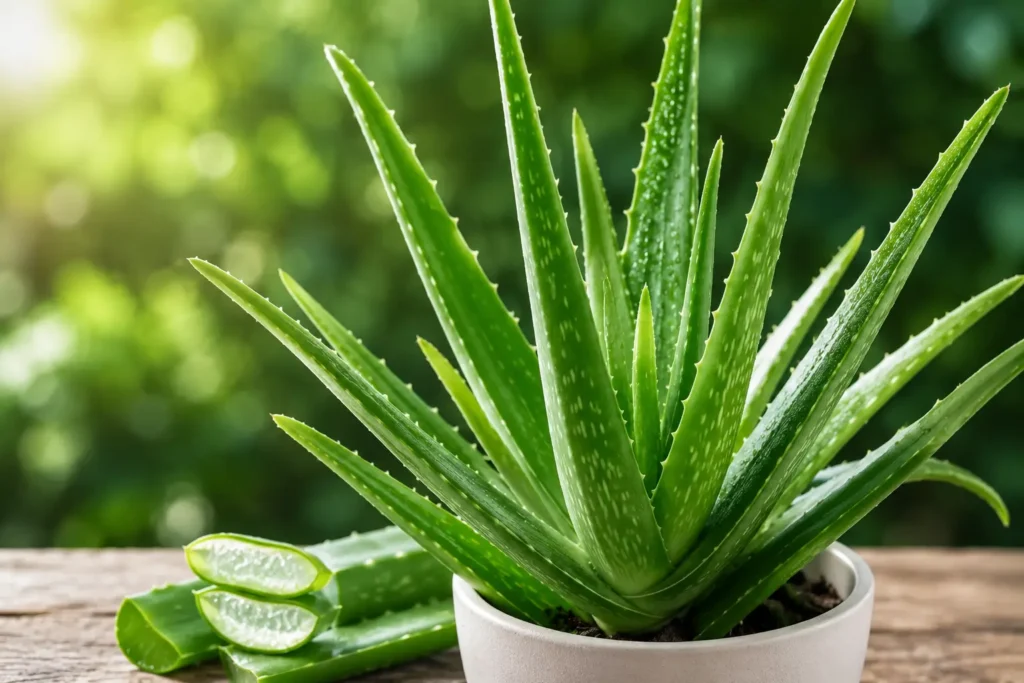
Aloe Vera
Aloe vera gel is widely used in skincare for its lightweight, hydrating feel. It can be particularly useful in soothing products designed for dry or temporarily irritated skin.
Aloe vera works well in gels, moisturizers, after-sun products, and simple face masks.
Best for: Normal, dry, oily, and combination skin.
Jojoba Oil
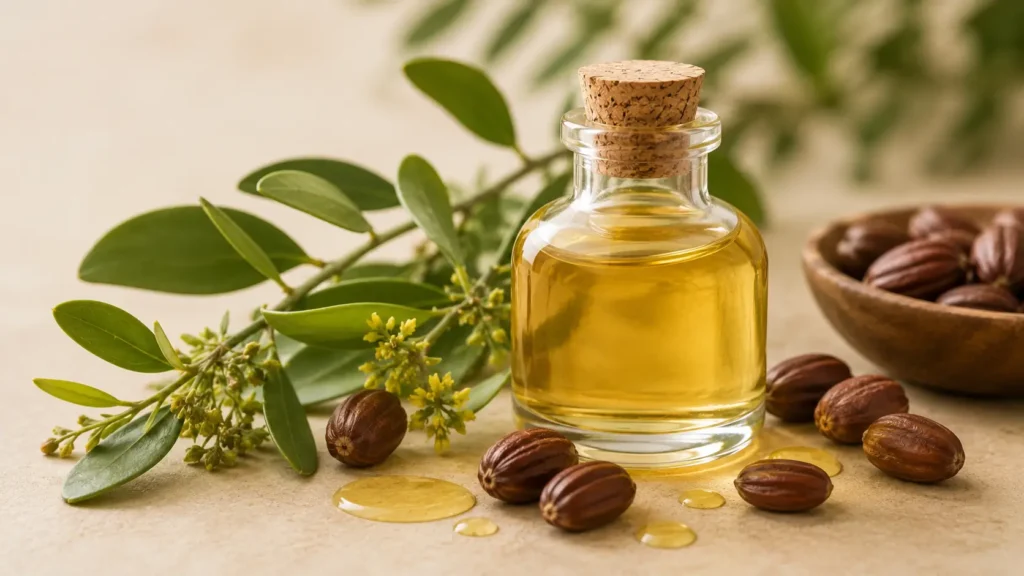
Jojoba oil is a lightweight botanical oil commonly used in facial moisturizers, cleansing oils, and hair products.
Its texture makes it a popular choice for people who want conditioning without a particularly heavy-feeling facial oil.
Best for: Normal, dry, and combination skin.
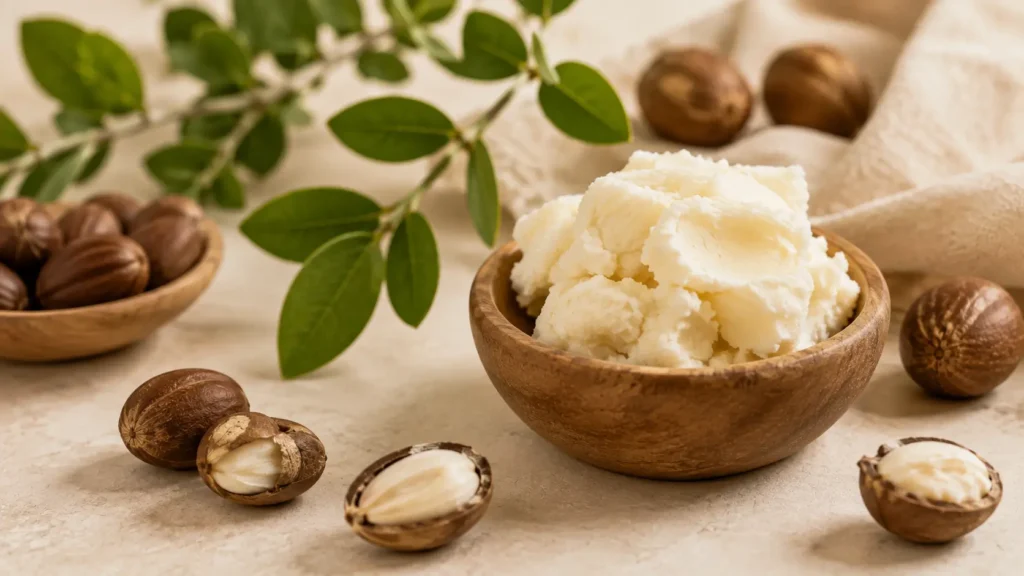
Shea Butter
Shea butter is a rich plant-derived butter commonly used in moisturizers, body creams, lip balms, and dry-skin products.
Its emollient texture makes it particularly useful for areas that need richer moisture, such as dry hands, elbows, knees, and lips.
Best for: Dry and very dry skin.
Oatmeal
Colloidal oatmeal is widely used in skincare formulated for dry, itchy, or sensitive skin. It can help support the skin barrier and provide a soothing feel.
For DIY skincare, finely ground plain oats can be used in simple masks, but coarse particles should not be aggressively rubbed across the face.
Best for: Dry and sensitive skin.
Honey
Honey is a natural humectant, meaning it can help attract and retain moisture. It is also commonly used in face masks and cleansing formulations.
For facial use, choose clean, suitable honey and avoid applying it if you have a known allergy to honey or bee-related products.
Best for: Normal and dry skin.
Green Tea
Green tea contains polyphenols and other antioxidant compounds that have made it a popular ingredient in natural skincare.
Green tea extracts are found in serums, creams, masks, and other formulations designed to support healthy-looking skin.
Best for: Most skin types when used in a suitable formulation.
Cucumber
Cucumber is mostly water and is commonly used in cooling and refreshing skincare products.
Cucumber-based gels and masks can provide a pleasant, refreshing sensation, especially after a warm day.
Best for: Normal, oily, and sensitive skin when formulated gently.
Chamomile
Chamomile is a botanical ingredient commonly included in soothing skincare products. Its traditional use in skin care is associated with calming and comforting irritated-looking skin.
Because botanical extracts can still trigger sensitivities, patch testing is useful before regular use.
Best for: Dry and sensitive skin.
Calendula
Calendula is a flowering botanical used in creams, balms, and other skincare products designed for dry or sensitive skin.
It is particularly popular in natural body-care formulations and soothing balms.
Best for: Dry and sensitive skin.
Argan Oil
Argan oil contains fatty acids and vitamin E and is widely used as a conditioning ingredient in skincare and hair care.
A few drops can be applied as part of a moisturizing routine or incorporated into a properly formulated facial oil.
Best for: Dry and combination skin.
Natural Oils for Skin
Facial oils can provide emollient benefits by helping soften the skin and reduce the feeling of dryness.
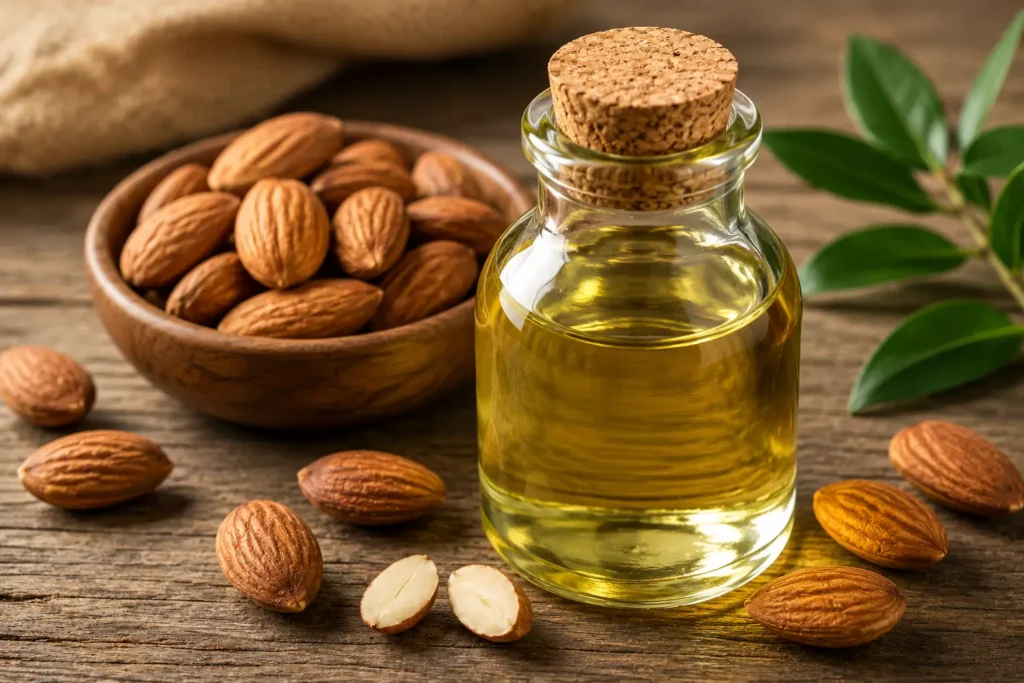
Almond Oil
Sweet almond oil is rich in fatty acids and is commonly used in body oils, creams, and other moisturizing products.
It can feel nourishing on dry skin, although people with nut allergies should take appropriate precautions.
Best for: Dry and normal skin.
Rosehip Oil
Rosehip oil is a popular botanical oil containing fatty acids and naturally occurring compounds used in cosmetic formulations.
It is often incorporated into facial oils and serums intended to support a smooth, healthy-looking complexion.
Best for: Normal, dry, and combination skin.
Grapeseed Oil
Grapeseed oil is a lightweight oil containing fatty acids and antioxidant compounds. It is frequently used in facial oils and cleansing products.
Its lighter texture can make it appealing to people who dislike rich oils.
Best for: Normal, oily, and combination skin.
Avocado Oil
Avocado oil is richer and more emollient than many lightweight facial oils. It can be useful in body-care products and moisturizers intended for dry skin.
Best for: Dry and very dry skin.
Coconut Oil
Coconut oil can soften and moisturize dry skin, particularly on the body. However, it may feel heavy or contribute to clogged pores for some people when applied to the face.
For facial use, consider your individual skin response rather than assuming every natural oil is suitable.
Best for: Dry body skin; facial suitability varies.
Natural Ingredients for Different Skin Types
The best natural skincare ingredients depend on your skin’s needs rather than simply whether an ingredient is considered “natural.”
Natural Ingredients for Dry Skin
Dry skin generally benefits from ingredients that support moisture and reduce the uncomfortable feeling of tightness.
Popular options include:
- Aloe vera
- Oatmeal
- Shea butter
- Jojoba oil
- Argan oil
- Avocado oil
- Honey
A rich moisturizer can be layered over lightweight hydrating ingredients to help maintain comfortable, soft-looking skin.
Natural Ingredients for Oily Skin
Oily skin does not necessarily need to avoid all oils. Lightweight, non-comedogenic formulations may work better than heavy products.
Ingredients commonly found in lightweight routines include:
- Aloe vera
- Green tea
- Cucumber
- Grapeseed oil
- Jojoba oil
Introduce one new product at a time so you can see how your skin responds.
Natural Ingredients for Sensitive Skin
Sensitive skin requires extra caution because even botanical ingredients can cause irritation or allergic reactions.
Gentler options often found in sensitive-skin formulations include:
- Colloidal oatmeal
- Aloe vera
- Chamomile
- Calendula
Choose fragrance-free products when possible and avoid experimenting with multiple new ingredients simultaneously.
Natural Ingredients for Combination Skin
Combination skin may benefit from a balanced routine using lightweight hydration alongside targeted moisturizing.
Aloe vera, jojoba oil, oatmeal, and lightweight moisturizers can be incorporated according to the needs of different areas of the face.
Natural Skincare Ingredients for Common Skin Concerns
Natural ingredients can be useful for specific skincare goals, but they should be chosen according to the condition of your skin. A soothing ingredient may be appropriate for dryness, while a rich oil may feel too heavy on oily or acne-prone skin.
For Dry and Dehydrated Skin
Ingredients such as aloe vera, oatmeal, honey, shea butter, and jojoba oil can be useful in routines focused on hydration and moisture.
A simple approach is to apply a hydrating product first and follow with a moisturizer to help maintain the skin’s moisture barrier.
For Dull-Looking Skin
Green tea, rosehip oil, and antioxidant-rich botanical extracts are commonly used in skincare designed to support a brighter, healthier-looking complexion.
Rather than relying on harsh DIY exfoliation, focus on gentle cleansing, moisturizing, sun protection, and consistent skincare.
For Acne-Prone Skin
Aloe vera and green tea are commonly found in products designed for acne-prone or irritated skin. However, natural ingredients should not replace evidence-based acne treatments when breakouts are persistent or severe.
Avoid heavy oils if you notice that they consistently contribute to clogged pores or breakouts.
For Sensitive or Irritated Skin
Colloidal oatmeal and simple aloe vera formulations can be useful additions to a gentle skincare routine.
Avoid applying highly concentrated essential oils, undiluted acidic ingredients, or abrasive scrubs to already irritated skin.
Natural Exfoliants for Skin
Exfoliation can help remove surface buildup and leave the skin feeling smoother, but aggressive exfoliation can damage the skin barrier.
Oatmeal
Finely ground oatmeal can provide gentle physical exfoliation when used carefully. Avoid rubbing it forcefully against the skin.
Yogurt
Plain yogurt contains lactic acid, an alpha hydroxy acid that can provide mild exfoliating properties. However, DIY yogurt treatments can vary in concentration and may irritate sensitive skin.
A properly formulated skincare product provides more predictable results.
Fruit-Based Ingredients
Some fruits contain naturally occurring acids and enzymes that are used in cosmetic formulations. However, applying raw fruit directly to the face can cause irritation and makes it difficult to control the concentration.
For facial exfoliation, formulated products are generally easier to use safely.
Natural Ingredients for Hydration
Hydration is an important part of almost every skincare routine. Several natural ingredients can help support comfortable, moisturized skin.
Aloe Vera
Aloe vera provides lightweight hydration and can leave the skin feeling refreshed.
Honey
Honey acts as a humectant and is commonly used in moisturizing masks and skincare formulations.
Shea Butter
Shea butter provides richer emollient moisture and is particularly useful for dry body areas.
Jojoba Oil
Jojoba oil is a lightweight emollient commonly used in facial and body-care products.
Simple DIY Skincare Recipes
DIY skincare can be appealing because the ingredients are easy to find, but simple recipes are preferable to complicated mixtures.
Aloe Vera Hydrating Gel Treatment
Ingredients:
- Plain aloe vera gel
- A clean bowl
- A clean cosmetic applicator
How to use:
- Place a small amount of aloe vera gel in a clean bowl.
- Apply a thin layer to clean skin.
- Leave it on according to the product’s directions.
- Follow with moisturizer if needed.
Use a commercially formulated aloe gel when possible, especially for facial application.
Oatmeal and Honey Face Mask
Ingredients:
- Finely ground plain oatmeal
- A small amount of honey
- Water as needed
How to use:
- Combine the oatmeal and honey in a clean bowl.
- Add a small amount of water to create a soft paste.
- Apply gently without scrubbing.
- Leave on for a short period.
- Rinse thoroughly with lukewarm water.
- Apply moisturizer afterward.
Do not use this mask on broken, severely irritated, or inflamed skin.
Cucumber Cooling Mask
Ingredients:
- Fresh cucumber
- Clean blender or food processor
How to use:
- Wash the cucumber thoroughly.
- Blend a small amount into a smooth mixture.
- Apply gently to clean skin.
- Leave it on briefly.
- Rinse with clean water.
- Moisturize afterward.
Prepare only a small amount and avoid storing homemade mixtures for extended periods.
How to Make DIY Skincare Safer
Homemade skincare does not contain the same preservatives and quality controls as professionally formulated cosmetic products. This makes cleanliness and storage particularly important.
Use Clean Utensils
Wash your hands, bowls, spoons, and other equipment before preparing a DIY skincare mixture.
Prepare Small Batches
Make only enough for immediate use whenever possible. Fresh mixtures containing water, fruit, dairy, or other perishable ingredients can spoil quickly.
Patch Test New Ingredients
Apply a small amount of a new product or mixture to a small area of skin first. Stop using it if you experience burning, swelling, significant redness, or itching.
Avoid Undiluted Essential Oils
Essential oils are highly concentrated and can cause irritation or allergic reactions when applied directly to the skin.
If you use an essential-oil-containing skincare product, choose one that has been properly formulated and follow its directions.
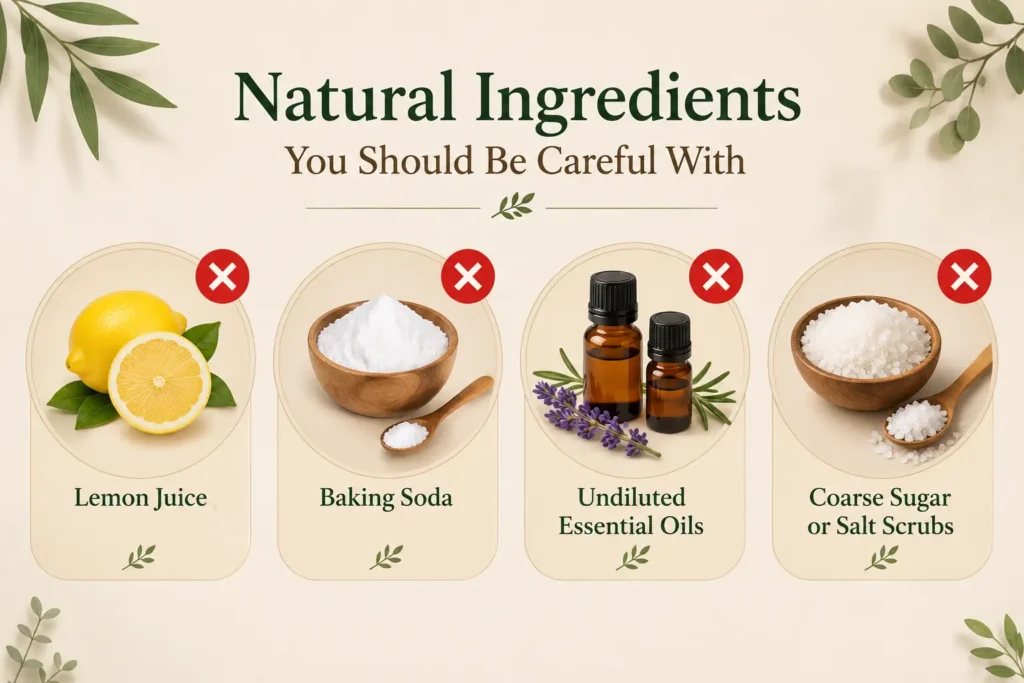
Natural Ingredients You Should Be Careful With
Some ingredients frequently appear in DIY skincare recipes online but can be unnecessarily irritating.
Lemon Juice
Lemon juice is highly acidic and can irritate the skin. Citrus exposure followed by sunlight can also cause unwanted skin reactions.
It is better to use professionally formulated vitamin C or exfoliating products rather than applying raw lemon juice to your face.
Baking Soda
Baking soda is alkaline and can disrupt the skin’s natural environment. Using it as a facial scrub may cause dryness and irritation.
Undiluted Essential Oils
Even natural essential oils can cause irritation or sensitization. They should not be treated like ordinary facial oils.
Coarse Sugar or Salt Scrubs
Large abrasive particles can create tiny areas of irritation when rubbed against delicate facial skin. If you want exfoliation, choose a gentle formulated exfoliant instead.
Natural Skincare Ingredients vs. Formulated Products
DIY skincare is not automatically better than professionally formulated skincare.
Commercial products can provide controlled concentrations, appropriate preservatives, stable formulations, and specific directions for use.
Natural ingredients can still be valuable when they are included in well-formulated products. The most important factors are ingredient suitability, formulation quality, skin tolerance, and consistent use.
How to Build a Natural Skin Care Routine
You do not need dozens of natural ingredients to create an effective routine.
Morning Routine
A simple morning routine can include:
- Gentle cleanser.
- Lightweight hydrating product such as aloe vera.
- Moisturizer.
- Broad-spectrum sunscreen.
Evening Routine
At night, focus on cleansing and restoring moisture:
- Remove makeup and sunscreen.
- Cleanse gently.
- Apply a suitable treatment or hydrating ingredient.
- Finish with moisturizer.
Weekly Routine
If your skin tolerates exfoliation, use a gentle exfoliating product according to its instructions. Avoid combining several exfoliating treatments in one routine.
How to Store DIY Skincare
Homemade skincare containing water, fresh fruit, vegetables, dairy, or other perishable ingredients should not be treated like commercially preserved cosmetics.
For better safety:
- Make small batches.
- Use clean containers.
- Avoid dipping dirty fingers into mixtures.
- Keep ingredients refrigerated when appropriate.
- Discard anything that changes smell, color, or texture.
- When in doubt, throw it away rather than using an old mixture.
When to Avoid DIY Skincare
DIY skincare may not be appropriate if you have a damaged skin barrier, active eczema, significant irritation, open wounds, or a known allergy to an ingredient.
If a skin concern is persistent or worsening, professional advice is preferable to repeatedly experimenting with home remedies.
Final Thoughts
Natural skincare ingredients can add useful plant-based oils, botanical extracts, soothing gels, and nourishing butters to a beauty routine. Aloe vera, oatmeal, honey, jojoba oil, shea butter, green tea, and several other ingredients can support different skincare goals when used appropriately.
The key is not to use every natural ingredient available. Instead, choose a small number of ingredients that match your skin type and introduce them gradually.
Remember that natural does not automatically mean gentle or risk-free. Patch testing, clean preparation, proper storage, and avoiding harsh DIY ingredients can help reduce unnecessary irritation.
For everyday skincare, a simple routine built around gentle cleansing, appropriate hydration, moisturizer, and daily sunscreen is often a better foundation than a complicated collection of homemade treatments.