

Make home look expensive is a goal many homeowners share, especially when they want a beautiful interior without spending money on a complete renovation. The good news is that an elegant home does not depend on designer furniture, costly accessories, or a large decorating budget. Often, the biggest difference comes from the way you arrange your furniture, choose your colors, use lighting, and style the details throughout your space.
A home can feel sophisticated and welcoming when everything looks intentional. Clean surfaces, well-fitted curtains, comfortable furniture, beautiful textures, and a few carefully selected decorative pieces can create an upscale appearance without unnecessary spending. Instead of buying more decor, focus on improving what you already have and investing in changes that make the greatest visual impact.
At Chic Living Space, you can discover more inspiration for creating a beautiful home, from luxury wall decor ideas to cozy kitchen ideas and neutral bedroom ideas. These decorating guides can help you create a consistent style throughout your home, using complementary colors, textures, furniture, and accessories.
Whether you live in a small apartment or a spacious house, these 12 practical ideas will show you how to make your home look expensive while keeping your budget under control.
1. Choose a Cohesive Color Palette
One of the easiest ways to make a home look expensive is to create a color scheme that feels connected from room to room. When colors work together, the entire interior appears more organized and thoughtfully designed.
Start with two or three main colors and build your decor around them. Warm white, taupe, soft gray, chocolate brown, muted olive, and charcoal are useful options for creating a sophisticated atmosphere. You can also introduce a deeper accent color, such as navy blue or burgundy, to add character.
You do not need to paint every room the same color. Instead, repeat a few shades in different ways throughout your home. For example, warm white walls can complement brown furniture, while olive cushions or artwork introduce a subtle contrast.
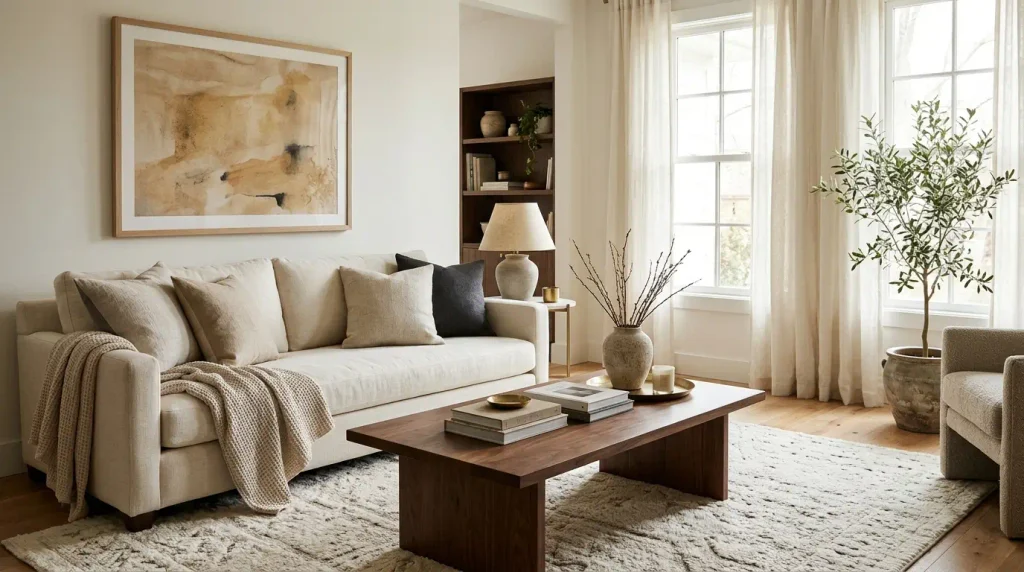
Budget-friendly tip: Before purchasing new accessories, look at the colors you already own. Rearranging existing cushions, throws, artwork, and decorative objects may be enough to create a more coordinated look.
2. Upgrade Your Lighting for a Luxurious Atmosphere
Lighting has a major influence on how a room looks and feels. A space with harsh overhead lighting can feel flat, while a room with several softer light sources often feels warmer and more inviting.
Rather than relying on a single ceiling light, combine different types of lighting where practical. Table lamps provide a cozy glow, floor lamps brighten darker corners, and wall lights can highlight artwork or architectural details.
Choose warm white bulbs for living rooms and bedrooms when you want a relaxed atmosphere. Make sure the brightness suits the activity and the room, especially in kitchens and work areas where clear task lighting matters.
The lamps themselves can also contribute to the decor. Ceramic bases, fabric shades, glass details, and understated metallic finishes can make an ordinary corner feel more polished.
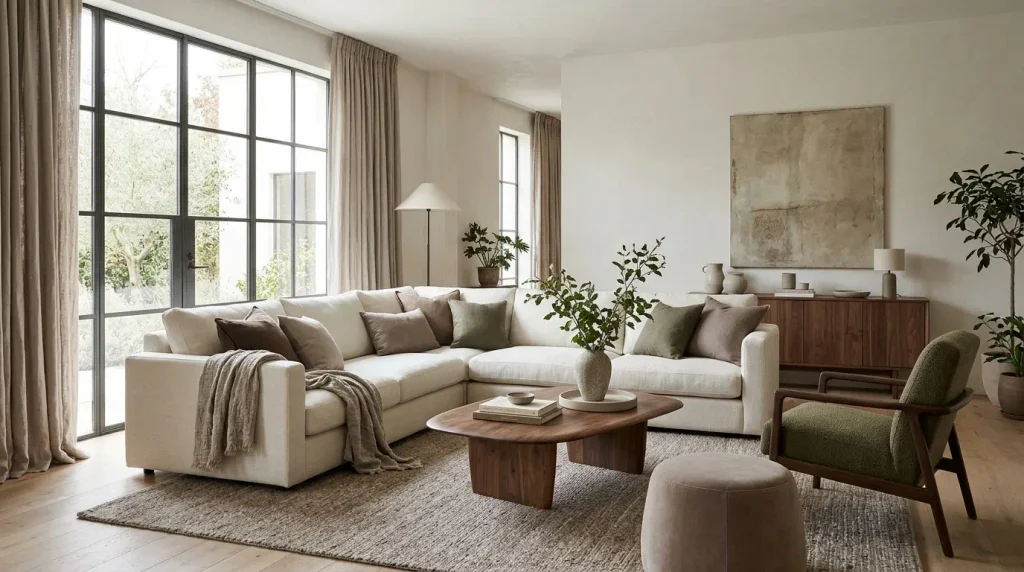
Budget-friendly tip: Start by replacing overly cool bulbs and improving the placement of your existing lamps before buying new lighting fixtures.
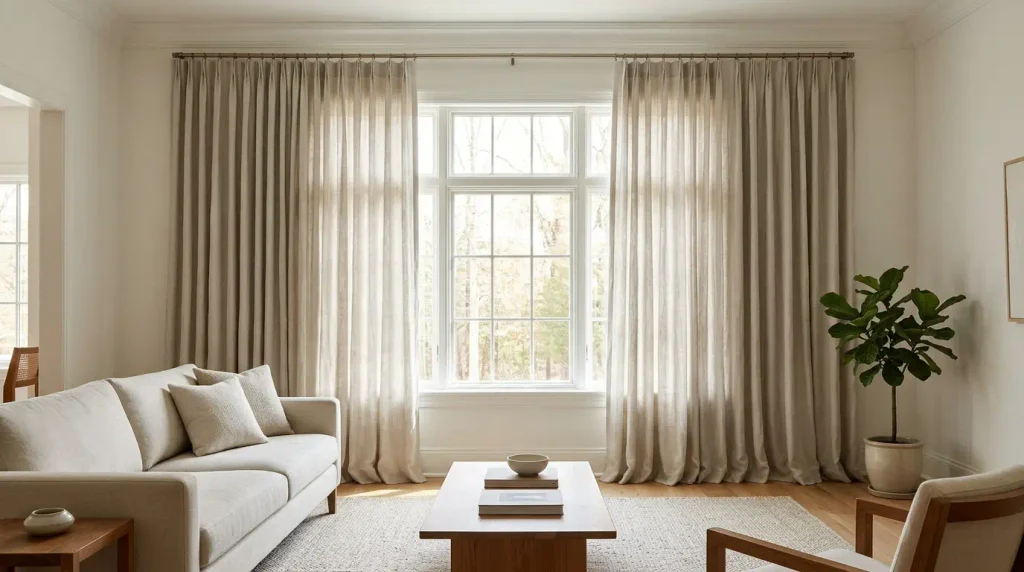
3. Hang Curtains Higher and Wider
Curtains can change the appearance of a room more than many people realize. Poorly fitted curtains may make windows look smaller, while correctly positioned panels can create the impression of taller ceilings and wider windows.
Whenever the room layout allows, install the curtain rod above the window frame and extend it beyond the sides. Choose curtain panels that reach close to the floor for a clean, finished appearance.
Light-filtering fabrics can soften daylight, while heavier materials add depth and privacy. Neutral shades such as ivory, warm gray, taupe, and soft brown are easy to coordinate with different furniture styles.
Avoid curtains that stop awkwardly above the floor or are too narrow to cover the window properly. Correct measurements matter more than choosing an expensive fabric.
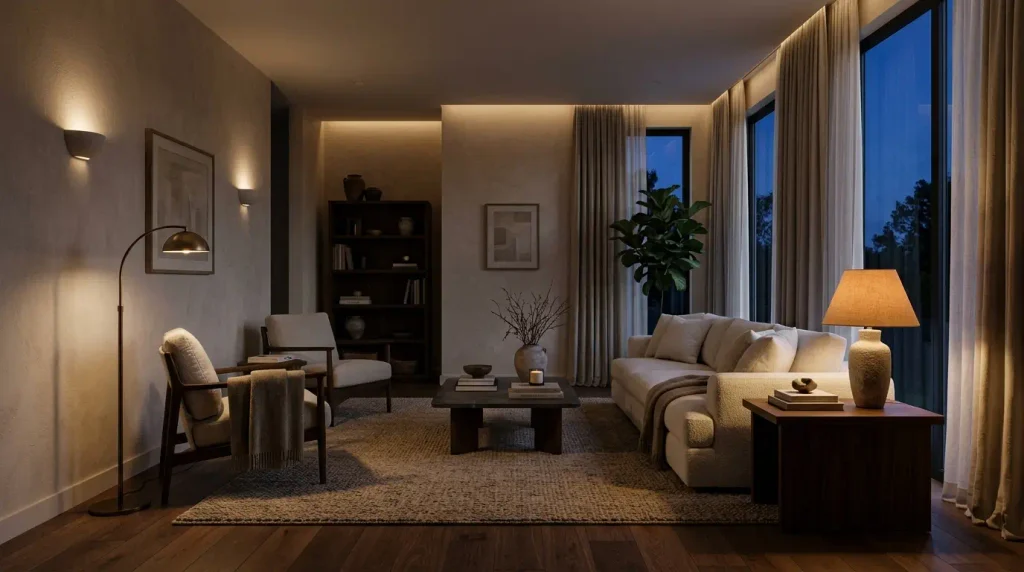
Budget-friendly tip: If your existing curtains are in good condition, consider changing their position or improving how they hang before replacing them.
4. Declutter and Keep Surfaces Organized
A clutter-free home often looks more sophisticated because furniture, materials, and decorative details have room to stand out. Even beautiful accessories can lose their impact when every surface is crowded.
Start with visible areas such as kitchen counters, coffee tables, bedside tables, console tables, and open shelves. Remove items you do not use regularly and find practical storage for everyday essentials.
You do not need to make your home look empty or remove everything personal. A framed photograph, a favorite book, or a meaningful decorative object can make a space feel more inviting. The key is to display these items intentionally instead of allowing them to become visual clutter.
Use drawers, closed cabinets, simple organizers, and attractive storage containers to keep necessary items accessible without leaving everything in view.
Budget-friendly tip: Before buying storage products, reorganize the spaces you already have and donate or relocate items that no longer serve a purpose.
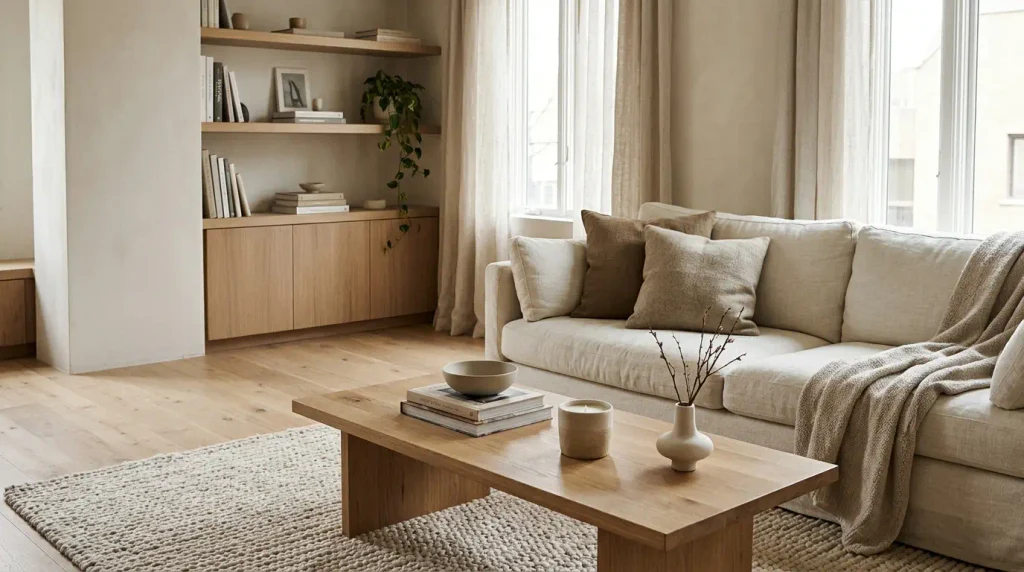
5. Add Texture With Soft Furnishings
A room can feel unfinished when every surface looks similar. Layering different textures introduces depth and makes the space feel more comfortable and carefully styled.
Combine materials such as linen, cotton, velvet, wool, wood, stone, and ceramic. For example, a simple sofa can look more inviting with textured cushions and a soft throw, while a wooden bedside table can feel more refined beside a fabric lampshade and layered bedding.
You can keep the color palette simple while varying the materials. A combination of cream cotton, taupe linen, dark wood, and textured ceramics can create visual interest without making the room feel busy.
Avoid adding too many competing patterns or textures. The goal is to create a balanced combination that looks natural rather than overcrowded.
Budget-friendly tip: Refresh your existing furniture with cushion covers, a neatly arranged throw, or a different bedding combination instead of replacing large items.
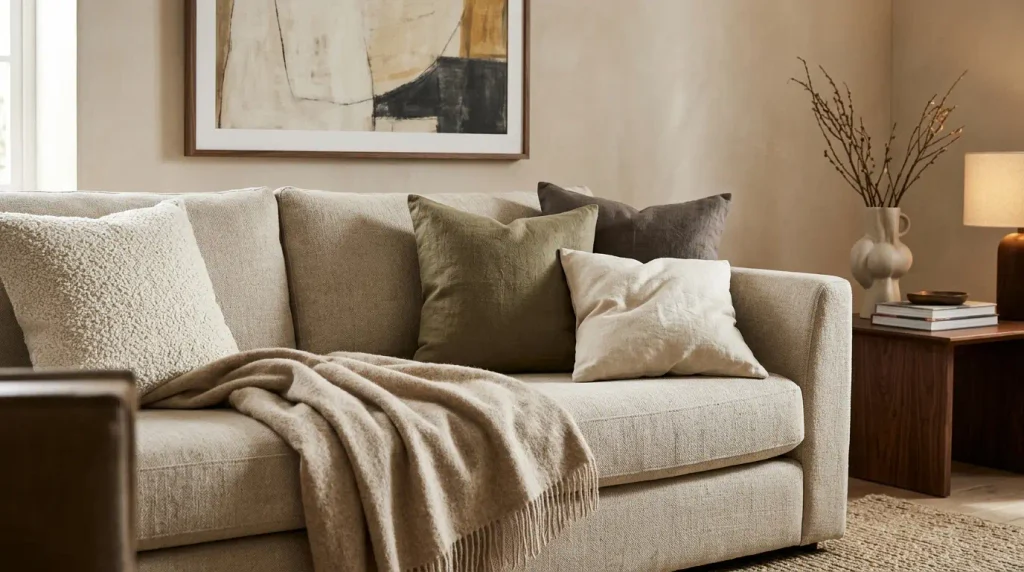
6. Use Large-Scale Artwork and Statement Decor
Artwork gives a room personality and can make an empty wall feel complete. The right piece can also create a focal point that helps connect the colors and materials throughout the space.
Instead of filling a large wall with many tiny decorations, consider one substantial artwork or a thoughtfully arranged gallery wall. Abstract prints, landscape artwork, black-and-white photography, and simple framed illustrations can all work beautifully in modern interiors.
Pay attention to scale. Artwork that is too small above a large sofa may look disconnected, while a piece that is proportionate to the furniture can make the entire arrangement feel more intentional.
You can also introduce a statement object, such as a sculptural vase or an interesting mirror, to add character without filling the room with accessories.
Budget-friendly tip: Affordable prints can look elegant when displayed in well-chosen frames. Choose artwork that complements your interior rather than buying it simply because it is trending.
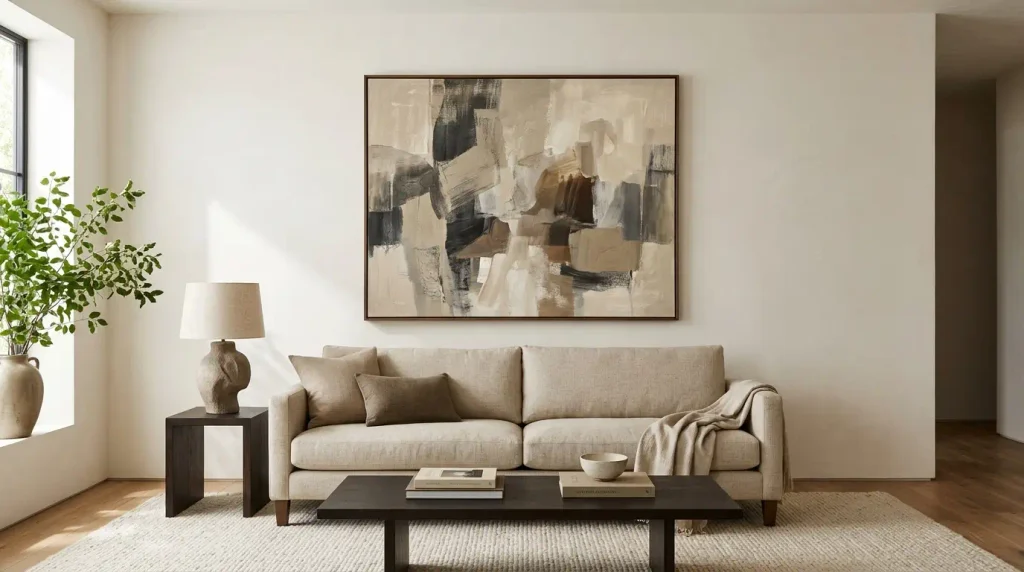
7. Choose Furniture That Fits Your Space
Furniture proportions can have a greater impact on a room than the price of individual pieces. Oversized furniture can make a small room feel crowded, while furniture that is too small may leave a large room feeling unfinished.
Measure your space before purchasing anything new. Consider walking paths, door openings, seating arrangements, and the distance between furniture pieces. A well-planned layout makes the room easier to use and gives it a more balanced appearance.
You do not need matching furniture sets to create an elegant interior. A simple sofa, a complementary coffee table, and one or two accent pieces can work beautifully together when their scale and finishes are considered.
If your current furniture is in good condition, try rearranging it before replacing it. Moving a chair, repositioning a side table, or removing an unnecessary piece may improve the entire room.
Budget-friendly tip: Spend time improving the layout first. Buying additional furniture will not solve a room that already feels overcrowded.
8. Style Your Coffee Table and Console Table
Small furniture surfaces are excellent places to introduce personality and a more polished design. A carefully styled coffee table or console table can make an ordinary living room or entryway feel more complete.
Start with a small group of accessories rather than covering the entire surface. A stack of books, a decorative tray, a sculptural vase, or a candle can create an attractive arrangement when their sizes and finishes complement one another.
Vary the heights of the objects to make the display more interesting. For example, a low tray can balance a taller vase, while books introduce another horizontal layer.
Leave some open space so the furniture remains practical. A console table in an entryway should still have room for everyday essentials, and a coffee table should remain usable when you sit down.
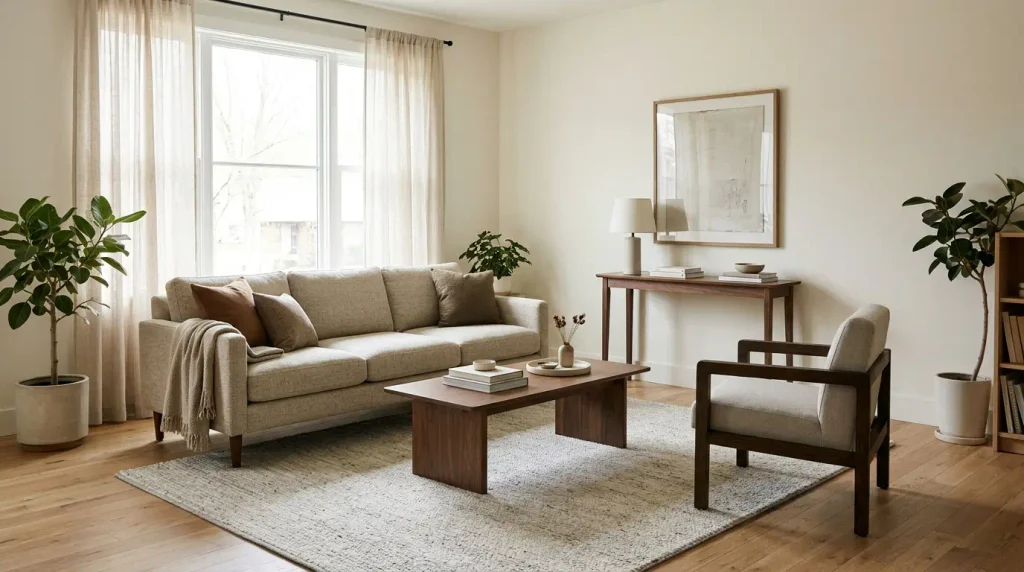
Budget-friendly tip: Shop your own home for accessories. Moving a vase, framed photograph, or decorative bowl from another room can create a fresh look without extra spending.
9. Introduce Mirrors to Reflect Light
Mirrors are useful decorative elements because they reflect light and create a sense of depth. When positioned thoughtfully, they can make a narrow hallway or a small living room feel brighter and more open.
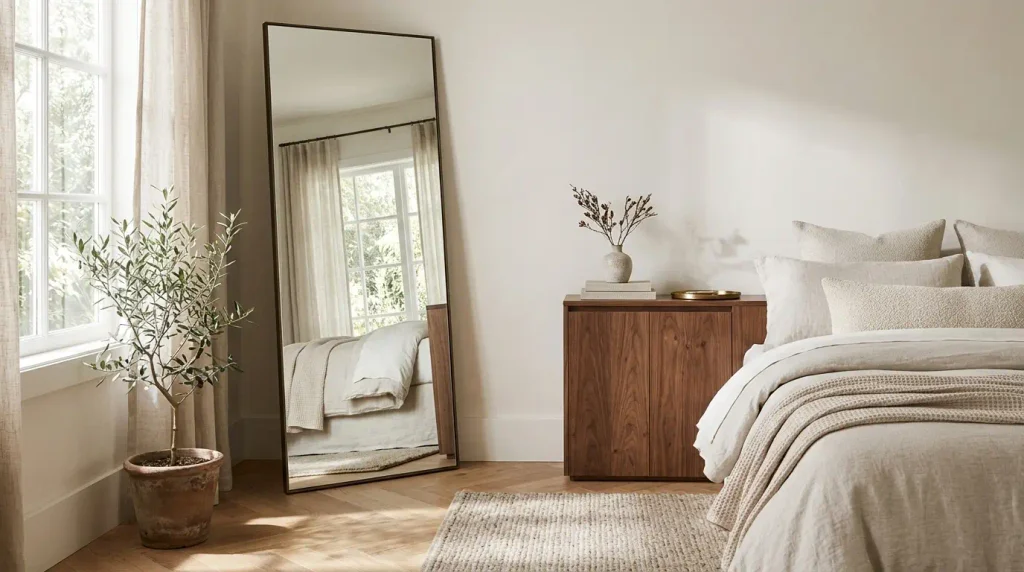
A large mirror above a console table can create a striking focal point. In a bedroom, a full-length mirror can be both practical and attractive. A carefully placed mirror opposite or near a window may also help distribute natural light throughout the room.
Choose a frame that suits your interior. Black frames provide contrast, wood introduces warmth, and brass finishes can add a subtle touch of elegance.
Avoid placing mirrors where they reflect clutter or an unattractive corner. Think about what the mirror will show before deciding where to hang it.
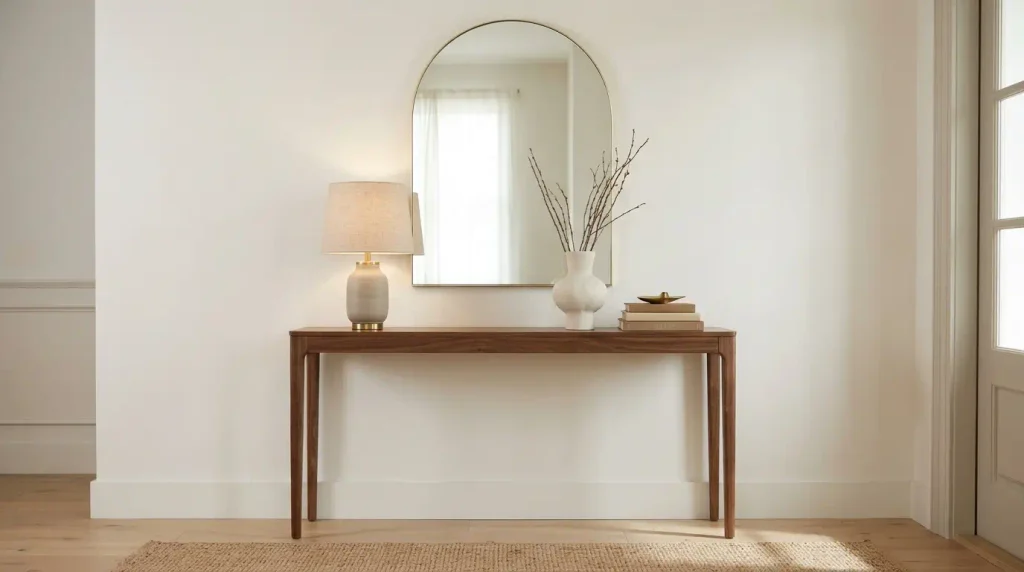
Budget-friendly tip: A simple mirror with a clean frame can be just as effective as a more expensive decorative design.
10. Refresh Your Kitchen With Small Details
A kitchen can look more refined without replacing its cabinets or appliances. Often, the most effective changes involve improving organization, coordinating finishes, and keeping visible surfaces clean.
Begin by clearing unnecessary items from the countertops. Keep the objects you use frequently accessible, but group them neatly rather than spreading them across the entire worktop.
If your existing hardware looks dated, consider whether new cabinet handles would complement the kitchen. Coordinated finishes can help the space feel more consistent. A simple fruit bowl, attractive utensil holder, or carefully chosen ceramic piece can introduce personality without creating clutter.
Lighting and cleanliness also matter. Wipe down cabinet fronts, clean visible appliances, and make sure work surfaces are well lit.
Budget-friendly tip: Start with a thorough clean and reorganize your counters before considering any decorative purchases.
Common Mistakes That Can Make a Home Look Less Expensive
Even attractive furniture and accessories may not create the desired effect if the overall design feels disconnected. Avoid these common mistakes when refreshing your home:
- Buying decor without a plan: Too many unrelated purchases can create a cluttered appearance. Choose a clear style and color palette first.
- Ignoring furniture proportions: Rugs, curtains, artwork, and furniture should suit the dimensions of the room.
- Using only overhead lighting: A single harsh light source can make an otherwise comfortable room feel flat.
- Overdecorating every surface: Empty space helps important furniture and decorative pieces stand out.
- Mixing too many finishes: Repeating a few complementary materials usually creates a more cohesive look.
- Replacing everything at once: Unnecessary purchases can consume your budget without improving the overall design.
A beautiful home is not about following every trend or making everything look perfect. It is about choosing practical improvements that suit your space, your lifestyle, and your personal taste.
Final Thoughts
Learning how to make home look expensive does not mean spending more money or filling every room with luxury accessories. It means understanding which details make the greatest difference and using them thoughtfully. A cohesive color palette, comfortable furniture, warm lighting, well-fitted curtains, layered textures, and carefully selected decor can transform the appearance of your home without requiring a major renovation.
The most effective changes often begin with what you already own. Rearrange your furniture, clear unnecessary clutter, refresh your bedding, improve your lighting, and give your favorite decorative pieces room to stand out. Once the basics are in place, you can gradually introduce artwork, mirrors, updated hardware, or other details that complement your existing interior.
It is also important to remember that an expensive-looking home should still feel comfortable and personal. You do not need to copy a showroom or follow every interior design trend. Keep meaningful objects, choose materials you enjoy, and make decisions that support the way you live every day.
Start with one room instead of trying to change the entire house at once. Set a realistic budget, prioritize the most noticeable improvements, and make changes gradually. With a little planning and attention to detail, you can create a home that feels elegant, welcoming, and thoughtfully designed—without spending more than you need to.
Frequently Asked Questions
How can I make my home look expensive on a small budget?
Start by decluttering, improving your furniture layout, coordinating colors, and using softer lighting. Add texture with existing cushions and throws, and style surfaces with a few carefully chosen accessories instead of buying lots of new decor.
What colors make a home look expensive?
Warm white, taupe, charcoal, soft gray, chocolate brown, and muted olive can create a sophisticated appearance. The best combination depends on your lighting, furniture, and personal style.
What makes a living room look luxurious?
A balanced furniture layout, appropriately sized rugs, layered lighting, coordinated colors, textured fabrics, and well-chosen artwork can make a living room feel more refined and comfortable.
How can I make a small home look more expensive?
Keep walkways clear, choose furniture that fits the available space, use mirrors thoughtfully, and avoid overcrowding surfaces. A consistent color palette can also help smaller rooms feel more connected.
Does a home need expensive furniture to look luxurious?
No. Furniture that fits the space, is well maintained, and complements the rest of the room can look attractive at many price points. Good proportions and thoughtful styling often matter more than brand names.
What should I upgrade first to make my home look expensive?
Begin with the changes that have the greatest visual impact, such as decluttering, improving lighting, correcting curtain placement, and rearranging furniture. Once those basics are addressed, decide whether a specific accessory or small upgrade is worth the cost.