

Aloe Vera for Skin and Health
Aloe vera has been used for centuries as a natural ingredient for skin care and traditional wellness. Today, aloe vera gel is found in moisturizers, after-sun products, face masks, hair treatments, and other personal-care products. The clear gel inside the aloe leaf is particularly popular because of its cooling and soothing feel when applied to the skin.
Interest in aloe vera for skin and health comes from the plant’s combination of water, polysaccharides, vitamins, minerals, and other naturally occurring compounds. However, its benefits depend on how aloe is prepared and used. The clear inner-leaf gel and the yellow aloe latex found closer to the leaf’s outer layer are not the same thing, especially when it comes to oral use.
In this guide, we’ll look at the potential aloe vera benefits, ways to use aloe vera gel for skin, the difference between topical aloe gel and aloe vera juice, and important safety considerations.
What Is Aloe Vera?
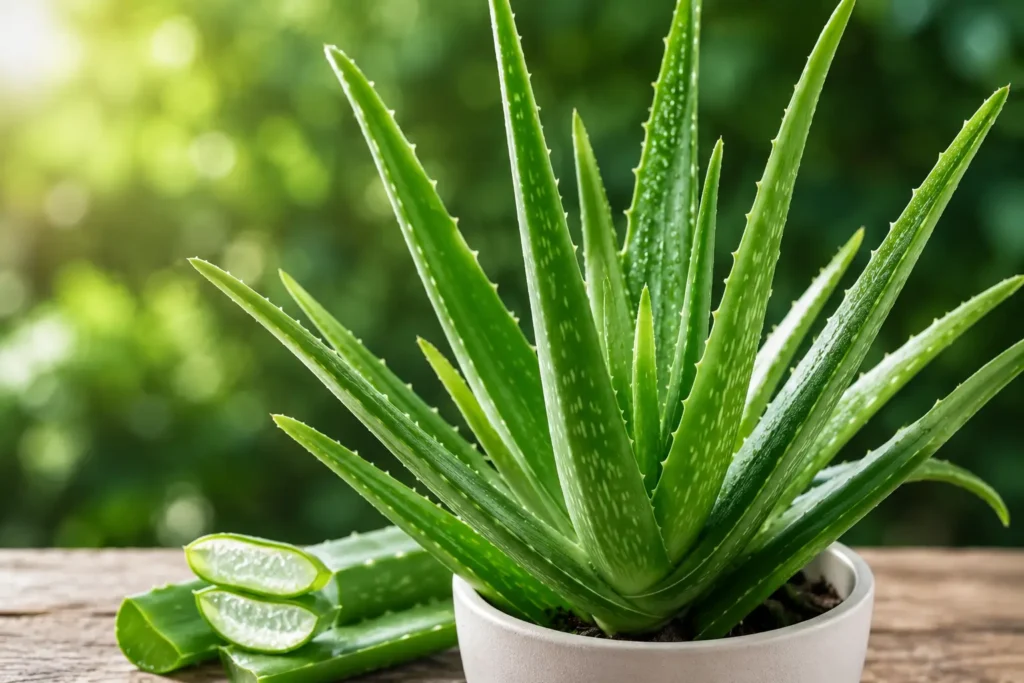
Aloe vera is a succulent plant with thick, fleshy leaves that store water. The plant is widely grown in warm, dry climates and is commonly cultivated for cosmetic, personal-care, and other commercial products.
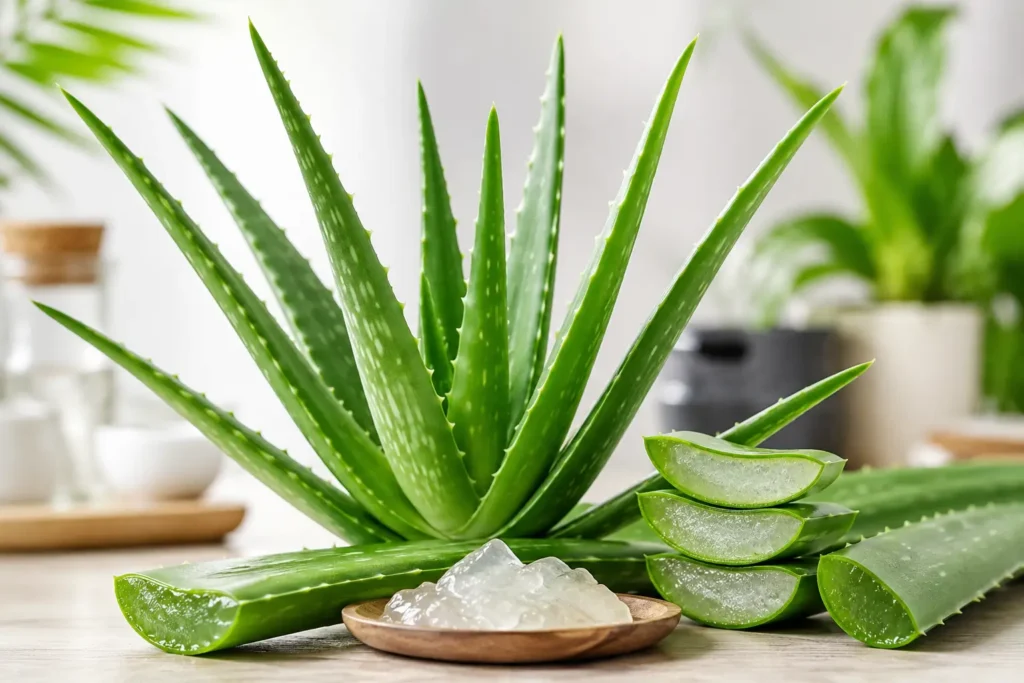
The inner part of the leaf contains a clear, jelly-like aloe vera gel, while the layer closer to the outer leaf contains a yellow substance known as aloe latex. Products can also be made from whole aloe leaves, which means checking how a product is processed is important.
For everyday skincare, aloe vera gel is the form most people are familiar with. It can be found in facial moisturizers, soothing gels, after-sun products, and DIY skincare recipes.
What Makes Aloe Vera Popular in Skincare?
Aloe vera gel contains a high amount of water along with naturally occurring compounds such as polysaccharides. These properties help explain why aloe is commonly included in products designed to hydrate and soothe the skin.
The gel also contains various vitamins, minerals, amino acids, and other plant compounds, although the exact composition can vary depending on the plant, processing method, and product formulation.
Rather than thinking of aloe vera as a cure-all ingredient, it is more useful to view it as a soothing and hydrating skincare ingredient that can complement a well-balanced routine.
Aloe Vera Benefits for Skin
One of the main reasons aloe vera remains popular is its versatility in topical skincare. Research summarized by the National Center for Complementary and Integrative Health suggests that topical aloe gel is generally well tolerated and may have some benefits for certain skin concerns, although evidence varies depending on the condition.
Helps Soothe Dry and Irritated Skin
The lightweight gel can provide a cooling, hydrating sensation when applied to the skin. This makes aloe vera a popular ingredient in products designed for dry or temporarily irritated skin.
If your skin feels tight after cleansing or environmental exposure, a simple aloe-based gel can be used as part of a moisturizing routine.
Provides Lightweight Hydration
Because aloe vera gel contains a high amount of water, it can add lightweight moisture without the heavier feel associated with some creams and oils.
This makes aloe vera for skin especially appealing to people who prefer gel-based skincare products.
May Help Soothe Minor Sunburn
Topical aloe gel is commonly used after sun exposure because of its cooling and soothing properties. Clinical research summarized by NCCIH indicates that topical aloe may help speed burn healing and reduce burn-related pain.
However, aloe should not be considered a replacement for proper sun protection. Sunscreen, protective clothing, and shade remain important for preventing UV-related skin damage.
May Support Wound Healing
Research has investigated topical aloe gel in relation to wound and burn healing. Some clinical evidence suggests it may help with healing in certain circumstances, although results depend on the type and severity of the wound.
For significant burns, deep wounds, infected skin, or injuries that are not healing normally, medical care is more appropriate than relying on homemade aloe treatments.
May Complement Acne-Prone Skin Care
Aloe vera is sometimes included in products designed for acne-prone or irritated skin because of its soothing properties.
NCCIH notes that two small studies found topical aloe gel, when used alongside other treatments, may improve acne. This means aloe may be a useful supporting ingredient, but it should not be presented as a standalone acne cure.
Aloe Vera for Different Skin Types
Aloe vera gel can fit into several skincare routines, but how you use it should depend on your skin’s needs.
Aloe Vera for Dry Skin
For dry skin, aloe can be layered underneath a moisturizer to provide lightweight hydration. Applying a moisturizer afterward can help support the skin barrier and reduce moisture loss.
Aloe Vera for Oily Skin
A lightweight aloe gel may be preferable to heavier products for people with oily skin. Look for formulas that are fragrance-free and non-comedogenic when possible, particularly if you’re prone to clogged pores.
Aloe Vera for Sensitive Skin
Sensitive skin may benefit from a simple aloe-based formula, but natural ingredients can still cause irritation. Choose products with minimal added fragrance and preservatives, and test a small area before applying the product more widely.
Aloe Vera for Combination Skin
For combination skin, aloe gel can be applied more generously to areas that feel dry while keeping the rest of the routine lightweight.
How to Use Aloe Vera Gel for Skin
Aloe vera gel is easy to incorporate into a simple skincare routine. The key is to choose a suitable product, apply it to clean skin, and avoid using too many potentially irritating ingredients at the same time.
As a Daily Moisturizing Step
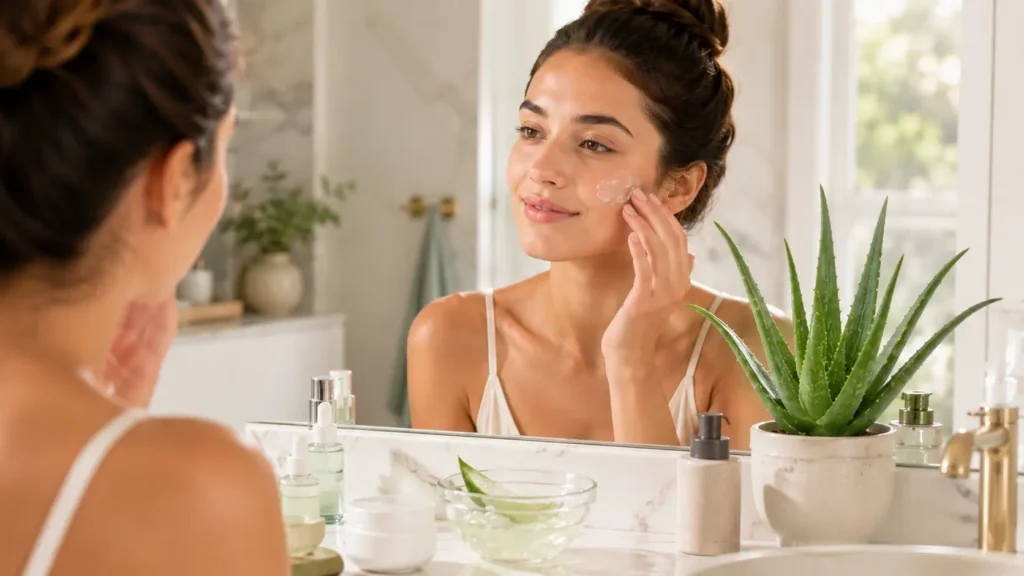
After cleansing, apply a thin layer of pure or fragrance-free aloe vera gel to slightly damp skin. Follow with a moisturizer if your skin needs additional hydration.
This approach works particularly well when you want lightweight hydration without a heavy or greasy finish.
As an After-Sun Skin Treatment
After spending time outdoors, aloe vera gel can provide a cooling sensation to mildly sun-exposed skin. Allow the skin to cool first, then apply a gentle aloe-based product.
Avoid applying products containing fragrance, alcohol, or other ingredients that may further irritate sensitive or sunburned skin.
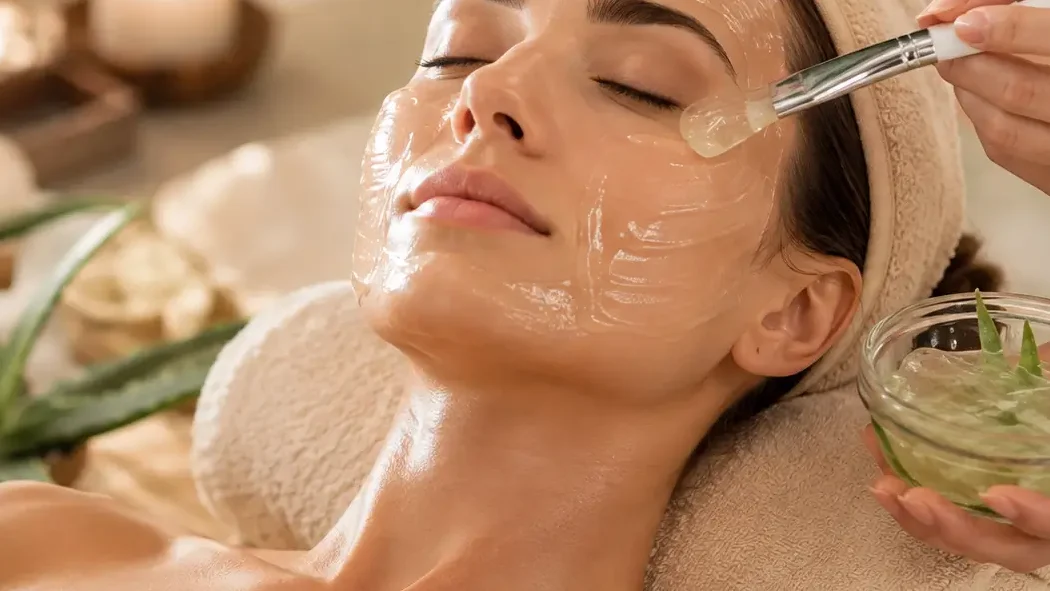
As a Simple Face Mask
For a quick DIY-inspired skincare treatment, apply a thin layer of plain aloe vera gel to clean skin and leave it on for a short period before rinsing.
Always check the product ingredients first, particularly if you have sensitive skin.
Aloe vera can be a useful addition to a gentle skincare routine, especially when your goal is hydrated and healthy-looking skin. For more simple skincare habits, explore our guide to Self Care Routines for Natural Glowing Skin and discover practical ways to support a naturally radiant complexion.
Aloe Vera for Hair and Scalp
Aloe vera is also commonly found in hair and scalp products. Its lightweight texture can make it appealing for people looking for a soothing addition to their hair-care routine.
Aloe-based products may help condition the scalp and provide moisture, but they should not be considered a treatment for hair loss or scalp disease.
If you experience persistent itching, scaling, redness, or unusual hair shedding, consider getting professional advice.
Aloe Vera Gel vs. Aloe Vera Juice
These two aloe products are often confused, but they are not interchangeable.
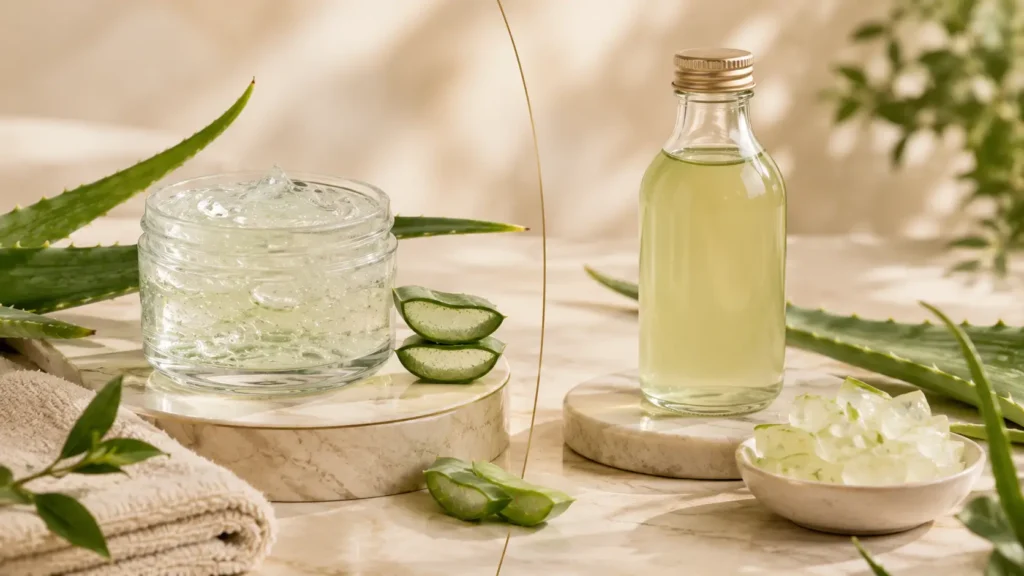
Aloe vera gel generally refers to the clear inner-leaf material commonly used in topical skincare products.
Aloe vera juice is intended for oral consumption and may be produced using different parts and processing methods. Some aloe products can contain aloe latex or compounds such as aloin, which is particularly relevant to safety.
For this reason, a skincare product containing aloe gel should not automatically be assumed to be suitable for drinking. Always follow the product’s intended use and label instructions.
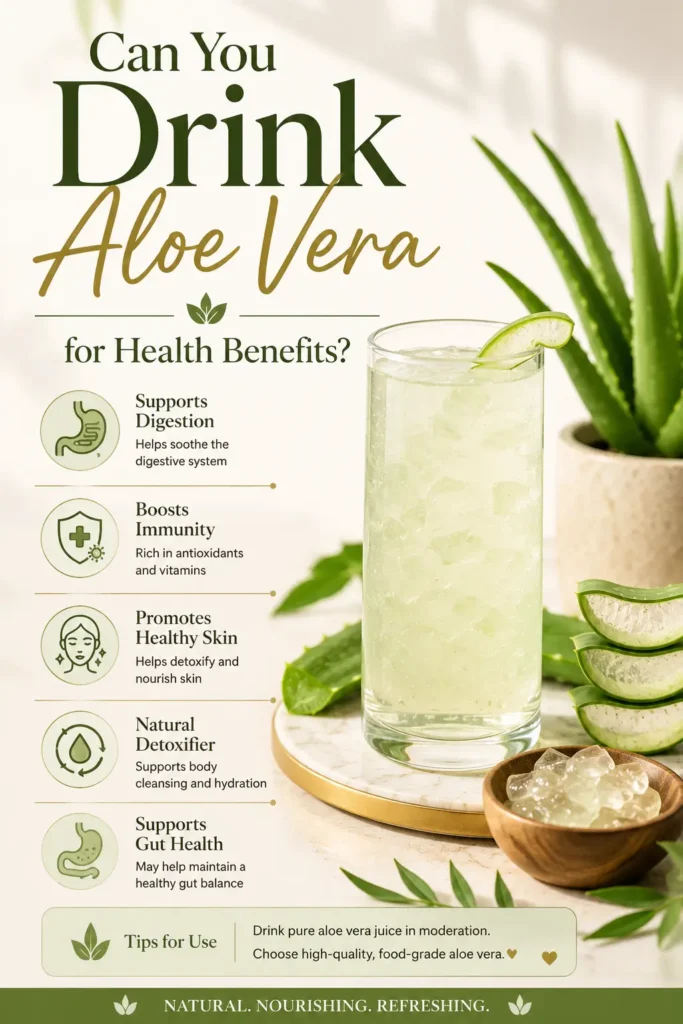
Can You Drink Aloe Vera for Health Benefits?
Aloe products have been promoted for various health purposes, but evidence for many oral uses remains limited.
Research has investigated oral aloe preparations for areas such as blood glucose and cholesterol, but more evidence is needed to determine their effectiveness and safety for many proposed uses.
Aloe latex deserves particular caution. Oral aloe latex can cause abdominal cramps and diarrhea, and older evidence raised concerns about its safety. The FDA previously required aloe latex to be removed from over-the-counter laxative products because of insufficient safety information.
For everyday wellness, aloe juice should therefore not be treated as a necessary health drink or a cure for medical conditions.
Aloe Vera Safety and Possible Side Effects
Although topical aloe gel is generally considered well tolerated, reactions can still occur.
Possible Skin Reactions
Some people may experience:
- Burning or stinging
- Redness
- Itching
- Rash
- Contact dermatitis
Natural does not automatically mean irritation-free. If your skin reacts after applying aloe, wash the area and discontinue use.
Patch Test Before Facial Use
Before applying a new aloe vera product to your entire face, test a small amount on an inconspicuous area.
Wait and observe how your skin responds before incorporating it into your regular routine.
This is especially important if you have sensitive or reactive skin.
Be Careful With Oral Aloe Products
Oral aloe preparations can have different safety considerations from topical aloe gel. Aloe latex may cause diarrhea and abdominal discomfort, while prolonged or excessive oral use can carry additional risks.
Pregnant or breastfeeding individuals, children, and people taking medications should speak with a healthcare professional before using oral aloe products.
How to Choose a Good Aloe Vera Product
Not every aloe product is formulated in the same way. When choosing aloe vera gel for skin, consider the following:
- Look for a clearly labeled aloe vera gel.
- Choose fragrance-free formulas if your skin is sensitive.
- Check the full ingredient list.
- Avoid products that cause burning or irritation.
- Follow the manufacturer’s directions.
- Do not assume a topical gel is safe for oral consumption.
A commercially formulated product can also be more convenient than applying fresh aloe directly from the plant because formulation, preservation, and intended use are clearly stated.
Fresh Aloe Vera vs. Store-Bought Gel
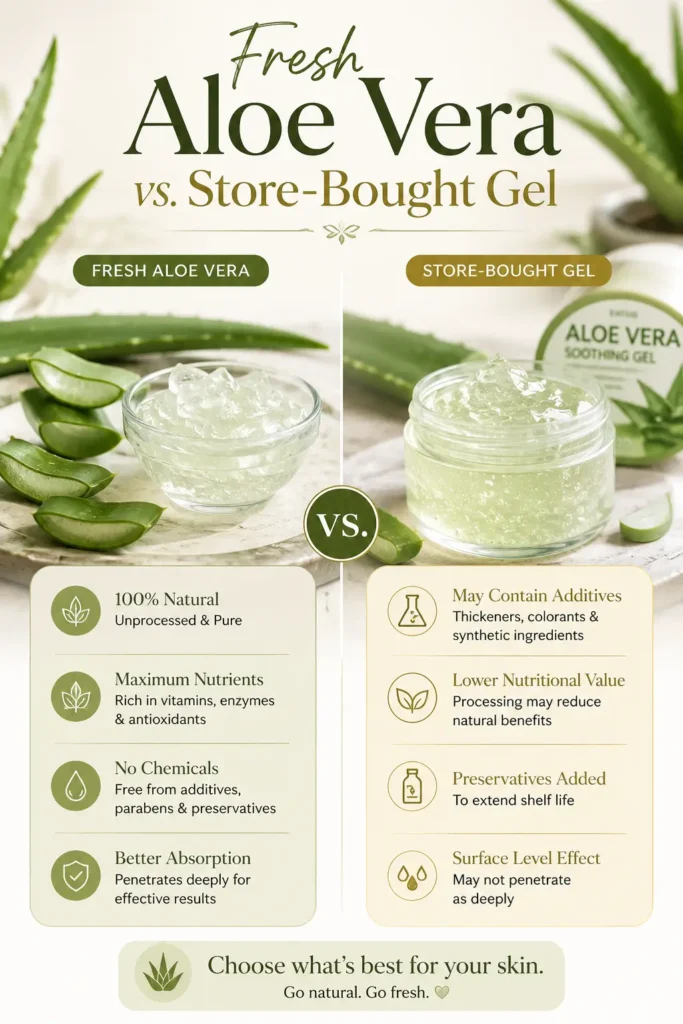
Fresh aloe vera can look appealing for DIY skincare, but using the plant correctly requires care.
The inner gel should be separated from the outer leaf material, which can contain aloe latex. Improper preparation can increase exposure to compounds that are not intended for casual topical or oral use.
For convenience and consistency, a properly formulated aloe vera skincare product may be a better choice for regular facial use.
When to Avoid Aloe Vera
Stop using aloe vera if it causes persistent irritation, swelling, itching, or a rash.
You should also avoid relying on aloe vera alone for:
- Deep wounds
- Severe burns
- Infected skin
- Persistent rashes
- Serious acne
- Unexplained skin changes
These concerns may require proper medical evaluation and treatment.
Final Thoughts
Aloe vera for skin and health remains popular because of its versatile gel, lightweight texture, and soothing qualities. For skincare, aloe vera gel can provide lightweight hydration and may help soothe certain types of minor skin irritation and sunburn.
However, aloe vera is not a cure-all ingredient. The benefits and risks depend heavily on the form being used. Topical aloe gel and oral aloe products should be treated differently, particularly because aloe latex can cause unwanted effects when consumed.
For a simple skincare routine, choose a well-formulated aloe vera gel, patch test it before facial use, and combine it with proven basics such as moisturizer and daily sunscreen. If you are considering oral aloe products or have a medical condition, medication use, pregnancy, or breastfeeding considerations, seek professional advice first.